

Staying active through sport and exercise is one of the best ways to maintain physical and mental wellbeing. Across Kalgoorlie-Boulder, athletes of all levels participate in football, netball, basketball, running, gym training, mining fitness programs, and recreational sports to stay healthy and competitive.
However, with increased activity comes an increased risk of injury. Muscle strains, joint pain, tendon injuries, and overuse conditions are common among athletes and active individuals, particularly when training loads, recovery, and movement patterns are not properly managed.
The good news is that many sporting injuries can be prevented with the right preparation, training habits, and physiotherapy support.
At On Hill Services, we work closely with athletes and active individuals throughout Kalgoorlie-Boulder to help improve performance, prevent injuries, and support long-term physical health. Here are some of the most effective ways athletes can stay injury-free throughout the sporting season.
Understand Why Sports Injuries Happen
Sports injuries are not always caused by a single incident. In many cases, injuries develop gradually due to repetitive strain, poor recovery, muscle imbalances, or training errors.
Common causes of sporting injuries include:
- Poor warm-up routines
- Overtraining
- Muscle weakness
- Limited flexibility
- Poor technique
- Returning to sport too early after injury
- Inadequate recovery
- Sudden increases in training intensity
Understanding these risk factors is the first step towards preventing injuries before they become serious.
Never Skip Your Warm-Up
A proper warm-up prepares the body for physical activity and reduces stress on muscles and joints.
Many athletes underestimate the importance of warming up, especially during training sessions or social sport competitions. However, a structured warm-up helps:
- Increase blood flow
- Improve flexibility
- Activate muscles
- Improve mobility
- Prepare joints for movement
- Reduce muscle tightness
Dynamic warm-up exercises such as lunges, light jogging, mobility drills, and controlled movement patterns are far more effective than jumping straight into high-intensity activity.
For athletes in Kalgoorlie-Boulder, warming up properly is especially important during colder mornings and winter sporting seasons when muscles may be tighter and less prepared for sudden movement.
Focus on Strength and Conditioning
Strength training plays a major role in injury prevention.
Strong muscles help support joints, improve movement control, and reduce stress placed on the body during sport and exercise.
A structured strength and conditioning program may help:
- Improve balance and stability
- Reduce joint strain
- Enhance athletic performance
- Improve muscle endurance
- Prevent overuse injuries
Many common sporting injuries occur because of muscle imbalances or poor movement control. Physiotherapists can identify weak areas and create tailored strengthening programs designed to reduce injury risk.
At On Hill Services, we provide exercise-based rehabilitation and sport-specific strengthening programs to support athletes across Kalgoorlie-Boulder.
Prioritise Recovery and Rest
Recovery is one of the most overlooked parts of athletic performance.
Without proper recovery, the body becomes fatigued, increasing the likelihood of injury and reduced performance.
Recovery strategies may include:
- Adequate sleep
- Hydration
- Stretching
- Mobility work
- Proper nutrition
- Active recovery sessions
- Rest days between intense training
Athletes involved in demanding sports or physically intensive occupations — including many workers throughout Kalgoorlie-Boulder — need to pay close attention to recovery to avoid overload injuries.
Listening to your body and allowing adequate recovery time is essential for long-term physical health and performance.
Address Minor Injuries Early
One of the biggest mistakes athletes make is ignoring minor aches and pains.
Small issues can quickly develop into more serious injuries if left untreated.
Early physiotherapy intervention can help:
- Reduce inflammation
- Improve recovery time
- Prevent worsening symptoms
- Restore movement and flexibility
- Reduce the risk of long-term complications
Symptoms that should not be ignored include:
- Persistent muscle tightness
- Joint swelling
- Ongoing pain during movement
- Reduced strength
- Limited mobility
- Recurrent injuries
Seeking professional advice early often leads to faster and more effective recovery outcomes.
Improve Flexibility and Mobility
Limited flexibility and poor joint mobility can increase strain on muscles and joints during physical activity.
Mobility training can help athletes:
- Move more efficiently
- Improve athletic performance
- Reduce muscle tension
- Improve posture
- Reduce injury risk
Flexibility and mobility exercises are especially important for athletes participating in high-impact sports, running, and strength training.
At On Hill Services, physiotherapy programs often include mobility and movement-based rehabilitation to improve physical function and reduce injury risk.
Don’t Return to Sport Too Soon
Returning to sport before the body has fully recovered is one of the leading causes of re-injury.
Even if pain has reduced, muscles, ligaments, and joints may still lack the strength and stability required for safe performance.
A proper return-to-play plan should include:
- Strength testing
- Mobility assessment
- Sport-specific exercises
- Balance and coordination training
- Gradual progression back into activity
Sports physiotherapists help athletes safely transition back into sport while reducing the likelihood of re-injury.
Maintain Proper Technique
Poor technique can place unnecessary stress on the body and contribute to injuries over time.
Incorrect running mechanics, lifting techniques, jumping patterns, or sporting movements may increase strain on muscles and joints.
Physiotherapy assessment can help identify:
- Biomechanical issues
- Movement inefficiencies
- Muscle imbalances
- Postural problems
Correcting these movement patterns can improve performance while reducing stress on the body.
Stay Consistent with Injury Prevention Programs
Injury prevention should be part of every athlete’s routine — not just something considered after an injury occurs.
Consistent injury prevention programs may include:
- Strength exercises
- Mobility routines
- Stability training
- Recovery sessions
- Stretching programs
- Sport-specific conditioning
These programs help athletes maintain physical resilience throughout the sporting season.
At On Hill Services, we create personalised injury prevention programs tailored to individual sports, training demands, and physical goals.
How Physiotherapy Supports Injury Prevention
Sports physiotherapy is not only for injury rehabilitation. It also plays a major role in helping athletes stay healthy, active, and physically prepared.
Physiotherapy may assist with:
- Movement assessments
- Injury screening
- Strength and flexibility programs
- Recovery management
- Pain management
- Performance optimisation
- Rehabilitation support
Advanced physiotherapy treatments such as shockwave therapy, dry needling, manual therapy, and exercise-based rehabilitation may also help athletes manage muscle tightness, overuse injuries, and recovery demands more effectively.
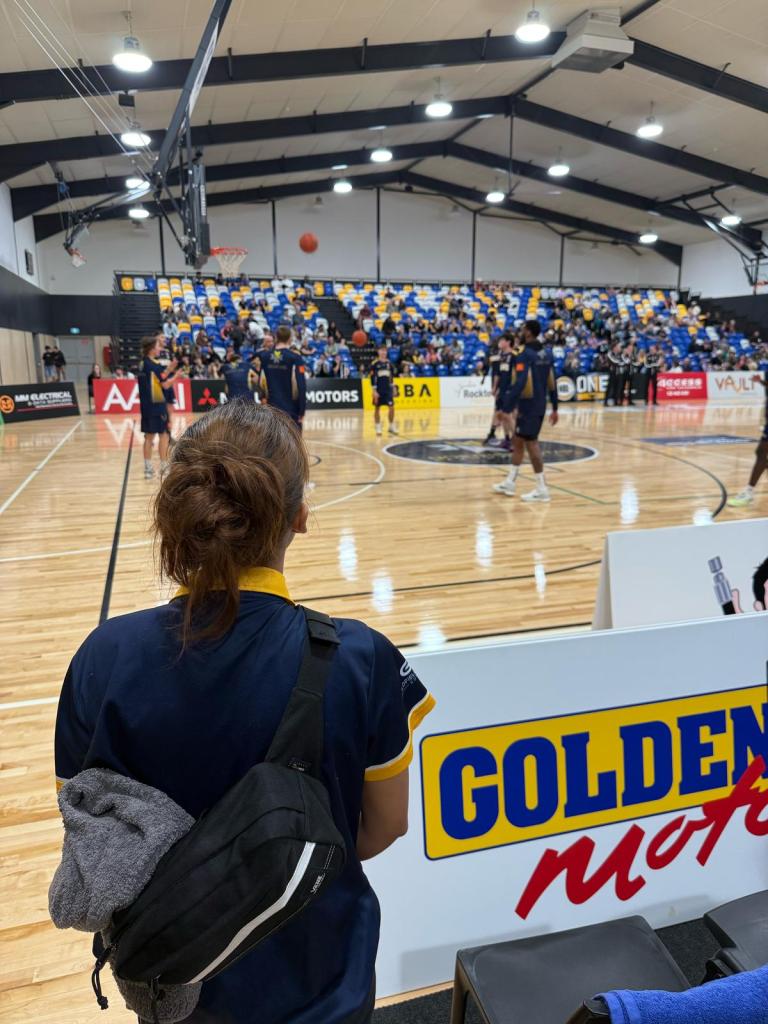
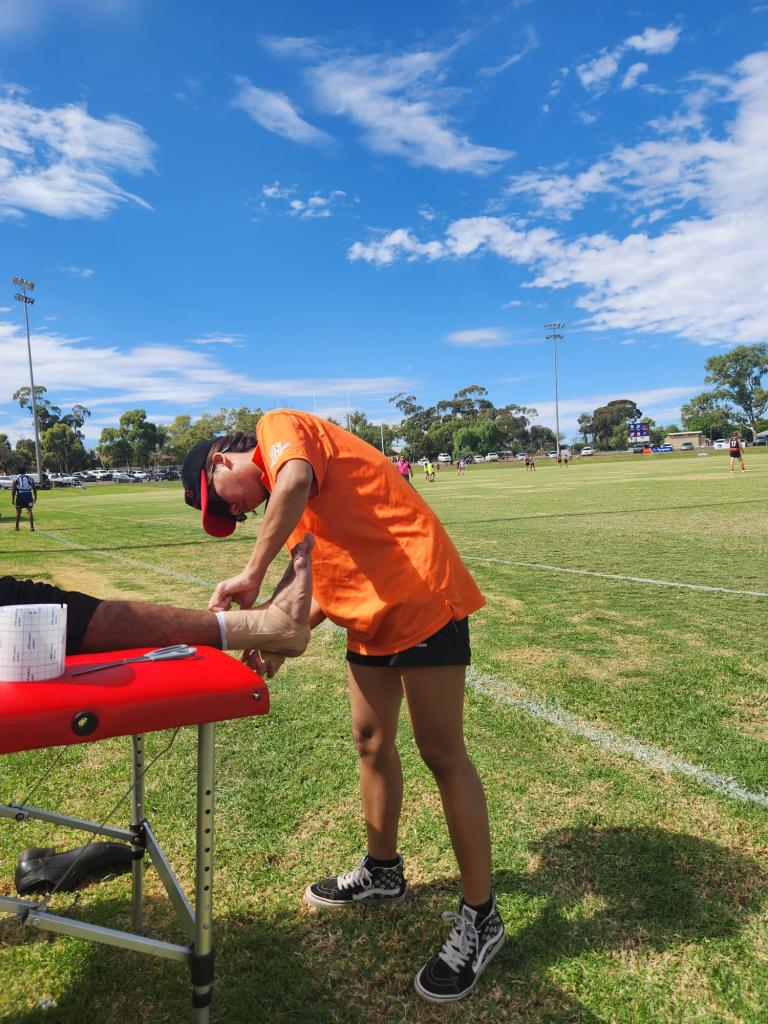
Why Athletes in Kalgoorlie-Boulder Choose On Hill Services
At On Hill Services, we are passionate about helping athletes and active individuals move better, recover faster, and perform at their best.
We provide:
- Sports physiotherapy
- Exercise-based rehabilitation
- Shockwave therapy
- Dry needling
- Manual therapy
- Laser therapy
- Therapeutic ultrasound
- Injury prevention programs
- Pre- and post-surgery rehabilitation
Our patient-focused approach ensures every athlete receives personalised care tailored to their sport, lifestyle, and recovery goals.
Whether you are competing professionally, training recreationally, or simply staying active, our team is here to support your long-term physical wellbeing.
Final Thoughts
Preventing injuries is essential for maintaining consistent performance and staying active throughout the sporting season.
Athletes in Kalgoorlie-Boulder can significantly reduce their risk of injury by:
- Warming up properly
- Building strength and stability
- Prioritising recovery
- Improving mobility
- Addressing injuries early
- Following structured rehabilitation programs
With the right physiotherapy support and injury prevention strategies, athletes can continue performing confidently while protecting their long-term health.
At On Hill Services, we are committed to helping the Kalgoorlie-Boulder community stay strong, active, and injury-free through personalised sports physiotherapy and evidence-based rehabilitation programs.
Book Your Consultation Today
If you are looking for professional sports physiotherapy and injury prevention support in Kalgoorlie-Boulder, On Hill Services is here to help.
Our experienced team provides tailored rehabilitation and performance programs designed to help athletes recover safely, prevent injuries, and stay at their best all year round.