

When dealing with pain, injury, or movement issues, many people come across two common treatment options: osteopathy and physiotherapy. While both focus on improving physical health and mobility, they use different approaches and techniques.
Understanding the difference between osteopathy and physiotherapy can help you choose the right treatment for your condition and recovery goals.
What is Physiotherapy?
Physiotherapy is a healthcare practice focused on restoring movement, reducing pain, and improving physical function. It is widely used for injury recovery, rehabilitation, and managing chronic conditions.
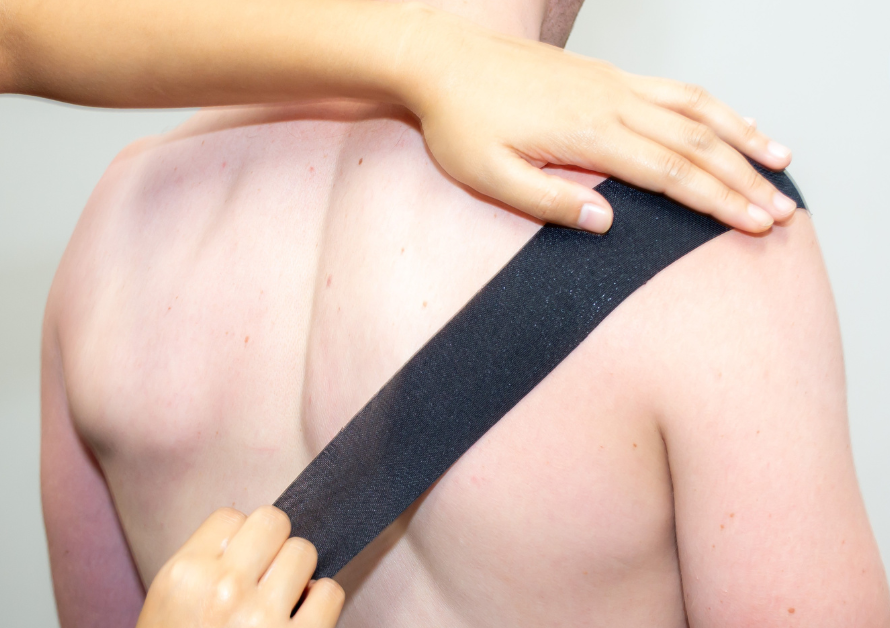
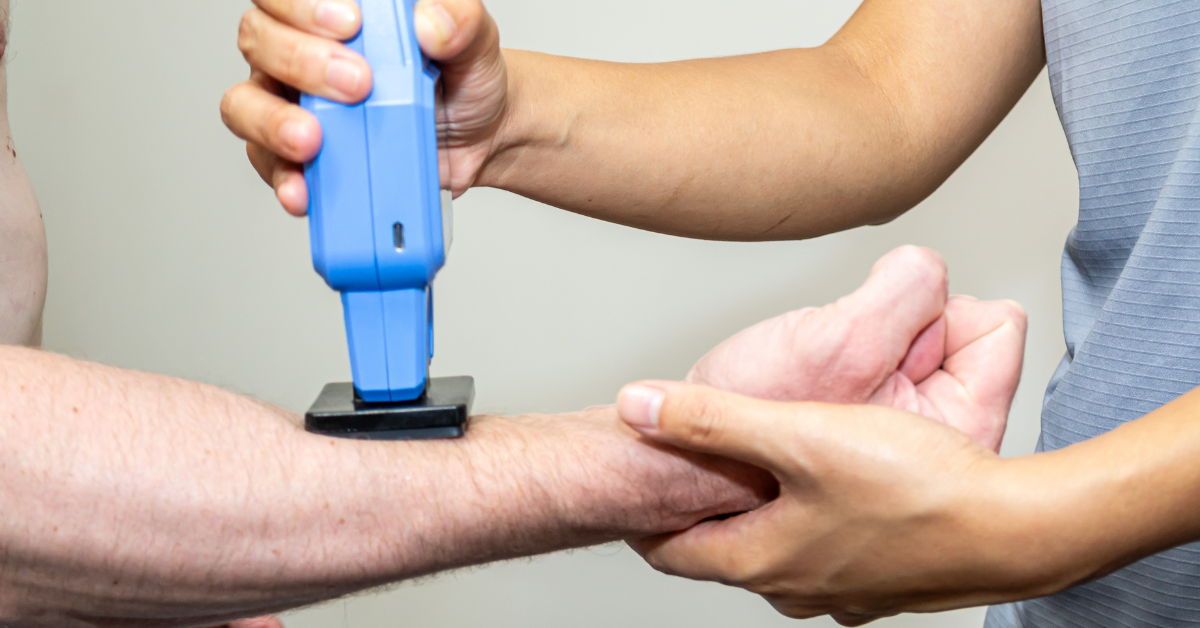
Physiotherapists use evidence-based techniques such as:
- Exercise rehabilitation
- Manual therapy
- Dry needling
- Electrotherapy (e.g. ultrasound or laser therapy)
Physiotherapy often focuses on specific injuries or conditions and aims to improve strength, flexibility, and long-term function.
What is Osteopathy?
Osteopathy is a holistic approach to healthcare that focuses on the relationship between the body’s structure and function. Osteopaths believe that the body can heal itself when properly aligned.
Treatment typically involves:
- Gentle joint manipulation
- Stretching techniques
- Soft tissue massage
- Postural advice
Osteopathy looks at the body as a whole rather than just focusing on one specific area of pain.
Key Differences Between Osteopathy and Physiotherapy
Approach to Treatment
Physiotherapy is more focused on targeted treatment and rehabilitation of specific injuries or conditions.
Osteopathy takes a whole-body approach, aiming to improve overall balance and alignment.
Techniques Used
Physiotherapy includes exercise programs, rehabilitation, and modern clinical techniques.
Osteopathy relies more on hands-on manual therapy and body manipulation.
Treatment Goals
Physiotherapy focuses on recovery, strength, and function.
Osteopathy focuses on restoring balance within the body to support natural healing.
Conditions Treated
Both treat similar conditions such as back pain, joint issues, and muscle injuries. However, physiotherapy is more commonly used for sports injuries, post-surgery rehab, and neurological conditions.
Similarities
Despite their differences, osteopathy and physiotherapy share several similarities:
- Both aim to reduce pain and improve movement
- Both use hands-on techniques
- Both provide personalised treatment plans
- Both support long-term health and wellbeing
Which One is Right for You?
The choice between osteopathy and physiotherapy depends on your condition and goals.
You may benefit more from physiotherapy if you:
- Are recovering from an injury or surgery
- Need structured rehabilitation
- Want to improve strength and performance
Osteopathy may be suitable if you:
- Prefer a holistic approach
- Have general body discomfort or postural issues
- Want gentle, hands-on treatment
In many cases, physiotherapy is the preferred option for evidence-based treatment and long-term recovery.
Physiotherapy in Kalgoorlie Boulder
In Kalgoorlie Boulder, clinics like On Hill Services provide professional physiotherapy care tailored to individual needs. With a focus on modern techniques and personalised treatment, they help patients recover effectively and maintain long-term health.
Conclusion
Both osteopathy and physiotherapy offer valuable benefits, but they differ in their approach and treatment methods. Understanding these differences can help you make an informed decision about your care.
If your goal is to recover from injury, improve movement, and achieve lasting results, physiotherapy is often the most effective and reliable choice.
Types of Physiotherapy Services
NDIS physiotherapy may include a combination of different treatment approaches depending on individual needs.
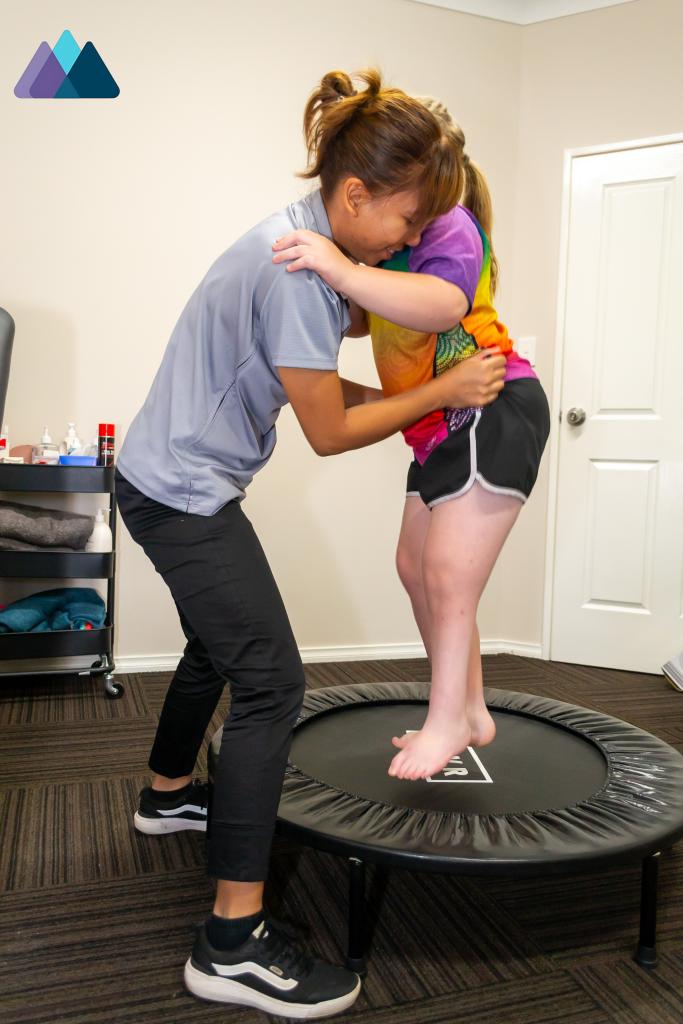
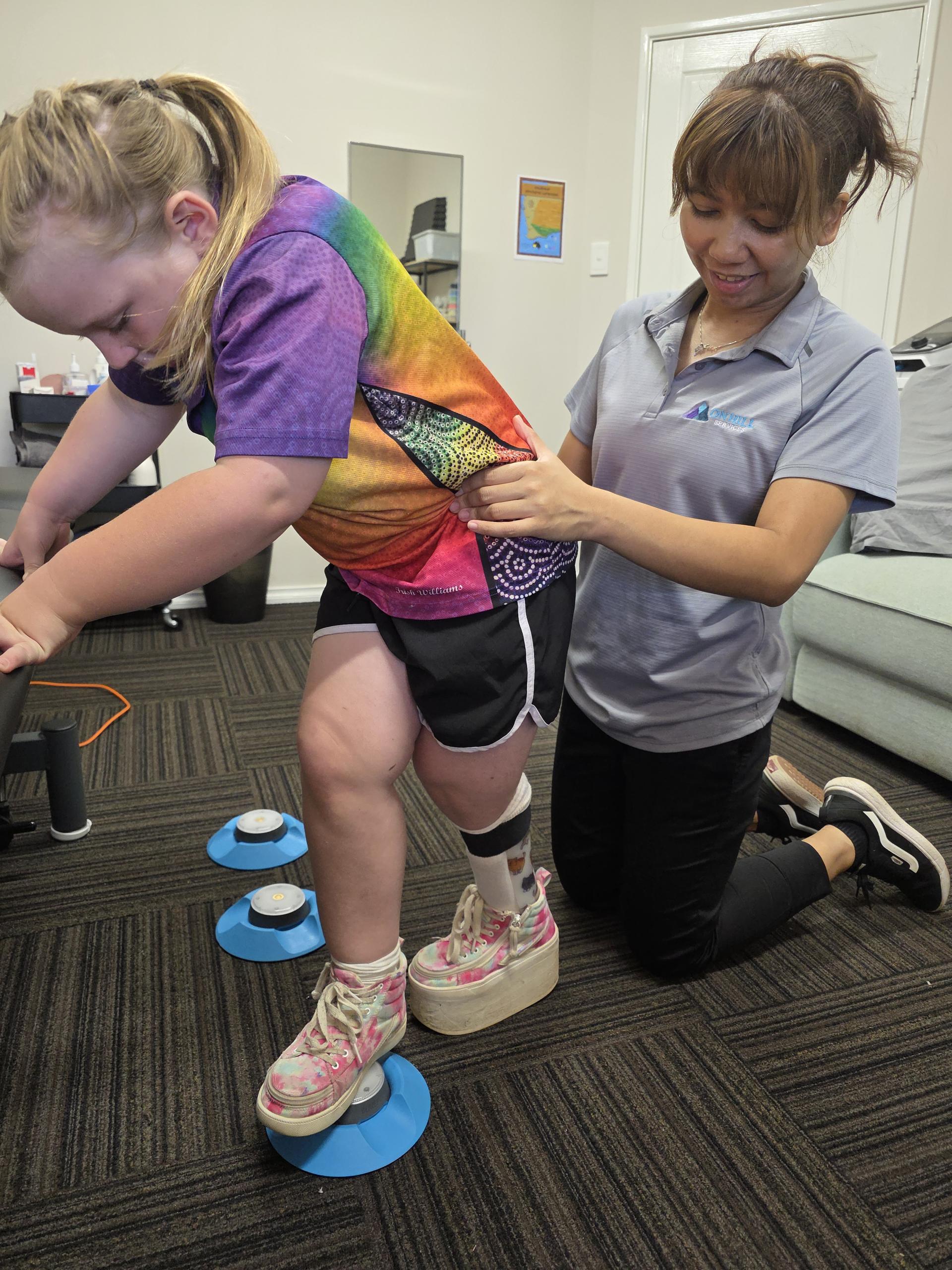
Exercise-Based Therapy
Structured programs to improve strength, endurance, and mobility.
Manual Therapy
Hands-on techniques to reduce pain and improve joint movement.
Hydrotherapy
Water-based exercises that reduce pressure on joints while improving strength.
Functional Training
Helping individuals perform daily activities more easily and safely.
Assistive Support
Guidance on using mobility aids and equipment effectively.
Benefits of NDIS Physiotherapy
NDIS physiotherapy offers a range of benefits that support both physical and emotional wellbeing.
- Increased independence in daily life
- Improved confidence and participation
- Better mobility and coordination
- Reduced risk of injury
- Enhanced quality of life
These benefits make a significant difference in helping individuals live more fulfilling lives.
Why Choose Professional Physiotherapy in Kalgoorlie Boulder?
Choosing a trusted provider ensures that participants receive high-quality care tailored to their needs. Clinics like On Hill Services offer experienced physiotherapists, personalised treatment plans, and a strong focus on patient-centred care.
Their goal is to help individuals achieve meaningful outcomes and long-term improvements.
Conclusion
NDIS physiotherapy services are essential for supporting individuals with disabilities to live independently and confidently. With the right care and guidance, participants can improve their mobility, strength, and overall quality of life.
If you are looking for reliable NDIS physiotherapy services in Kalgoorlie Boulder, professional clinics can provide the support and expertise needed to help you reach your goals.
Address: 5/72 Maritana St, Kalgoorlie WA 6430, Australia
Phone: 0491 978 305
Email: info@onhillsp.com