
Neurological conditions can significantly affect the way a person moves, performs daily tasks, and maintains independence. Simple activities such as walking, climbing stairs, getting dressed, or preparing meals can become difficult when the nervous system is affected by injury, illness, or disease.
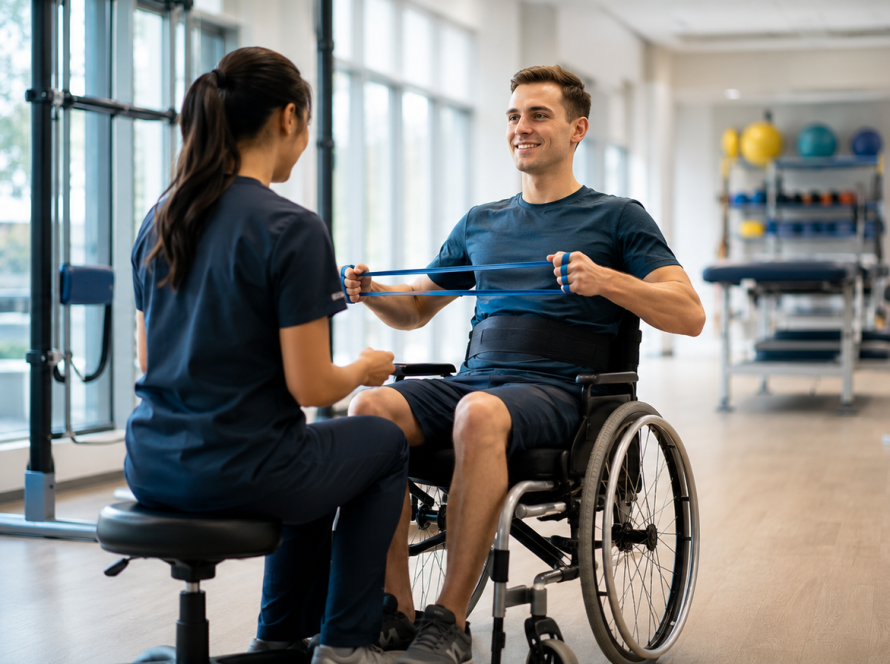
Neurophysiotherapy is a specialised form of physiotherapy designed to help individuals regain movement, improve physical function, and increase independence. Through personalised neurological rehabilitation programs, people living with neurological conditions can achieve meaningful improvements in mobility, balance, strength, and confidence.
This guide explains how neurophysiotherapy supports recovery and helps individuals live more active and independent lives.
What Is Neurophysiotherapy?
Neurophysiotherapy, also known as neurological physiotherapy, focuses on treating conditions that affect the brain, spinal cord, and nervous system. These conditions can impact movement, muscle control, balance, coordination, and overall physical function.
The primary goal of neurophysiotherapy is to improve mobility, restore function, and help individuals become as independent as possible in their daily lives.
Treatment plans are tailored to each person’s condition, symptoms, lifestyle, and rehabilitation goals.
Why Movement Is Affected by Neurological Conditions?
The nervous system controls every movement the body makes. When the brain, spinal cord, or nerves are damaged, communication between the brain and muscles can be disrupted.
This may lead to:
● Muscle weakness
● Poor balance
● Reduced coordination
● Difficulty walking
● Muscle stiffness or spasticity
● Reduced endurance
● Limited mobility
● Increased risk of falls
Neurological rehabilitation focuses on retraining the body and brain to improve these movement challenges.
Conditions That Can Benefit from Neurophysiotherapy
Neurophysiotherapy supports individuals living with a wide range of neurological conditions, including:
Stroke Rehabilitation
Stroke can affect strength, balance, coordination, and mobility. Neurophysiotherapy helps patients relearn movement patterns and regain independence.
Parkinson’s Disease Physiotherapy
People with Parkinson’s disease often experience slower movements, stiffness, balance difficulties, and walking challenges. Physiotherapy helps improve mobility and movement control.
Multiple Sclerosis Rehabilitation
Multiple sclerosis can cause fatigue, weakness, and coordination difficulties. A personalised rehabilitation program helps maintain physical function and mobility.
Spinal Cord Injury Rehabilitation
Individuals recovering from spinal cord injuries often benefit from movement retraining, strengthening exercises, and mobility training.
Brain Injury Rehabilitation
Traumatic brain injuries can affect balance, coordination, and movement. Neurophysiotherapy helps improve physical function and confidence.
How Neurophysiotherapy Improves Movement
Neurophysiotherapy provides numerous physical and functional benefits for people experiencing neurological conditions.
Functional Movement Training
Functional movement training focuses on everyday tasks such as standing, walking, sitting, reaching, and climbing stairs. By practising these activities in a controlled environment, patients develop greater confidence and physical ability.
Gait and Walking Retraining
Walking difficulties are common after neurological injuries or illnesses. Neurophysiotherapists use specialised techniques to improve:
● Walking speed
● Step length
● Balance while walking
● Coordination
● Posture
Improved walking ability often leads to greater independence in daily life.
Strength and Endurance Development
Muscle weakness can limit mobility and physical activity. Exercise-based therapy helps strengthen muscles, improve endurance, and support better movement throughout the day.
Balance and Mobility Therapy
Balance training physiotherapy focuses on reducing falls and improving stability. Exercises may include:
● Standing balance activities
● Weight shifting exercises
● Dynamic movement drills
● Coordination training
Reduced Pain and Stiffness
Neurological injury recovery programs often include treatments that reduce muscle tightness, improve flexibility, and manage pain.
Prevention of Secondary Complications
Regular physiotherapy can help prevent complications such as muscle weakness, joint stiffness, reduced mobility, and poor posture.
How Neurophysiotherapy Supports Independence
Independence means being able to perform daily tasks safely and confidently without relying heavily on others.
Neurophysiotherapy helps improve independence by focusing on practical goals.
Improving Daily Liivng Activities
Therapy programs may help patients perform tasks such as:
● Getting in and out of bed
● Walking around the home
● Using stairs
● Dressing independently
● Carrying objects safely
● Returning to work or hobbies
Improves Confidence
Many people lose confidence after experiencing a neurological injury or diagnosis. As movement improves, confidence often increases, encouraging greater participation in social, recreational, and daily activities.
Reducing the Risk of Falls
Falls can lead to serious injuries and reduced independence. Balance and mobility training help improve stability and reduce fall risk, allowing individuals to move more safely.
Support Long-Term Physcial Health
Regular neurological physiotherapy helps maintain flexibility, strength, and mobility while preventing complications associated with reduced movement.
Common Neurophysiotherapy Techniques
Neurophysiotherapists use a variety of evidence-based techniques to support recovery.
Exercise-Based Therapy: Structured exercise programs improve strength, mobility, endurance, and function.
Balance Training: Targeted exercises improve stability and reduce fall risk.
Manual Therapy: Hands-on treatment techniques help improve mobility and movement quality.
Coordination Exercises: Specific activities help retrain the nervous system and improve motor control.
Postural Training: Improving posture can enhance balance, reduce discomfort, and support efficient movement.
How Long Does Neurological Rehabilitation Take?
Recovery timelines vary depending on the condition, severity of symptoms, and individual goals.
Some people experience improvements within a few weeks, while others benefit from ongoing neurological rehabilitation over several months or years. Consistency, participation, and personalised treatment play an important role in achieving positive outcomes.
The Importance of Early Rehabilitation
Starting neurological rehabilitation early often leads to better outcomes. Early intervention can:
● Improve recovery potential
● Prevent muscle weakness
● Reduce stiffness
● Improve mobility sooner
● Support independence
● Enhance quality of life
However, individuals can benefit from neurophysiotherapy at any stage of their condition or recovery journey.
Why Choose On Hill Services for Neurophysiotherapy in Kalgoorlie?
At On Hill Services, we provide comprehensive neurophysiotherapy and neurological rehabilitation programs tailored to each individual’s needs. Our experienced physiotherapists focus on helping patients improve movement, restore independence, and achieve their rehabilitation goals through evidence-based care.
Whether you are recovering from a stroke, managing Parkinson’s disease, living with multiple sclerosis, or requiring spinal cord injury therapy, our personalised approach supports every stage of your recovery journey.
Start Your Neurological Rehabilitation Journey Today
Neurological conditions can impact daily life, but the right support can make a significant difference. Neurophysiotherapy provides targeted treatment that helps improve mobility, balance, strength, and independence.
If you are looking for professional neurophysiotherapy in Kalgoorlie, On Hill Services offers personalised neurological rehabilitation programs designed to help you move better, recover safely, and achieve your goals
.Contact our team today to learn how neurophysiotherapy can support your recovery and long-term wellb