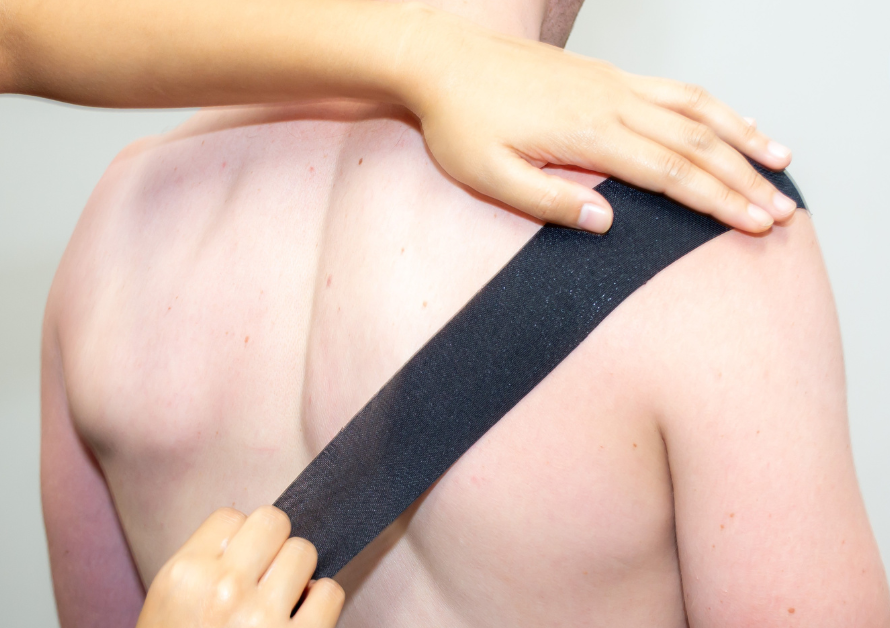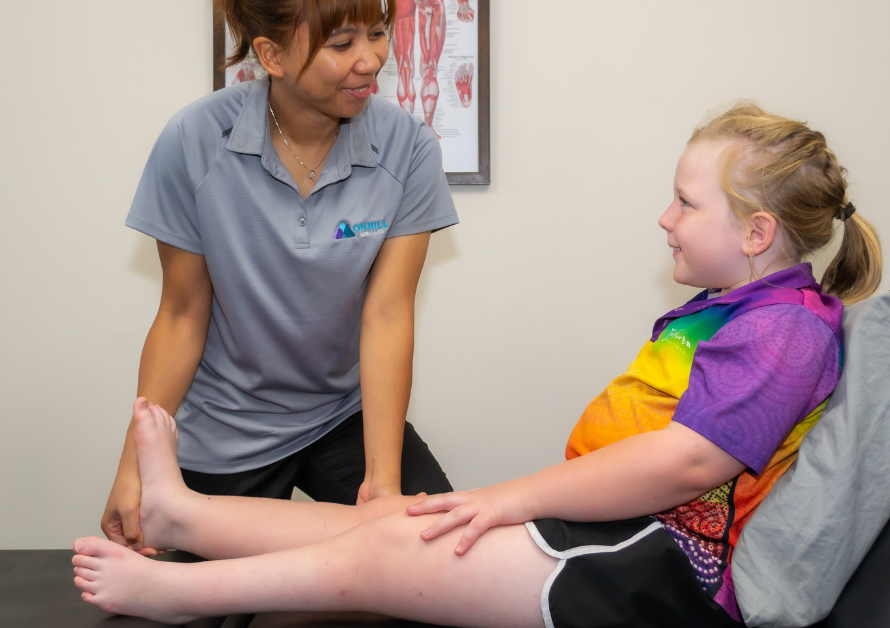

Sports injuries can be frustrating, painful, and disruptive to your daily life. Whether you play competitive sport, train at the gym, go for regular runs, or simply enjoy staying active, an injury can quickly affect your mobility, fitness, and confidence.
The good news is that the right recovery approach can help you heal faster, reduce pain, and safely return to the activities you enjoy.
At On Hill Services, we help athletes and active individuals throughout Kalgoorlie-Boulder recover from sports injuries with personalised physiotherapy treatment and rehabilitation programs. Here are some practical and effective ways to support a faster recovery after a sports injury.
Don’t Ignore the Injury
One of the biggest mistakes people make after a sports injury is trying to “push through the pain”.
While some minor soreness can be normal after exercise, ongoing pain, swelling, weakness, or reduced movement should never be ignored.
Continuing to train on an injured area can:
- Make the injury worse
- Delay healing
- Increase inflammation
- Lead to long-term problems
- Increase the risk of re-injury
Getting the injury assessed early by a physiotherapist can help you understand the severity of the injury and begin the right treatment as soon as possible.
Rest the Injured Area
Rest is an important part of the early recovery stage.
After an injury, your body needs time to repair damaged tissues. Continuing high-impact activities too soon may slow the healing process.
However, rest does not always mean complete inactivity.
A physiotherapist can guide you on:
- Safe movement
- Modified activities
- Gentle rehabilitation exercises
- When to gradually return to sport
The goal is to protect the injury while maintaining as much movement and strength as possible.
Reduce Swelling and Inflammation
Swelling and inflammation are common after sports injuries, especially during the first few days.
Managing inflammation early can help reduce pain and improve recovery.
Simple ways to manage swelling include:
- Applying ice packs
- Elevating the injured area
- Gentle compression
- Avoiding activities that aggravate symptoms
- Following professional treatment advice
If swelling or pain continues to worsen, it is important to seek professional physiotherapy assessment.
Start Rehabilitation Early
Many people wait too long before starting rehabilitation exercises.
Once the acute pain settles, gradual movement and targeted rehabilitation become essential for recovery.
Exercise-based rehabilitation helps:
- Restore mobility
- Improve muscle strength
- Increase flexibility
- Improve balance and coordination
- Prevent stiffness
- Reduce re-injury risk
At On Hill Services, we create personalised rehabilitation programs based on the individual injury, recovery stage, and physical goals of each patient.
Follow Your Treatment Plan
Recovery takes consistency.
Skipping exercises, returning to sport too early, or ignoring professional advice can slow progress and increase the risk of setbacks.
A structured treatment plan may include:
- Physiotherapy sessions
- Strength exercises
- Mobility work
- Stretching
- Manual therapy
- Recovery management
- Gradual return-to-play programs
Following your rehabilitation plan properly gives your body the best chance to heal safely and effectively.
Focus on Strength and Mobility
After an injury, the body often becomes weaker and less stable around the injured area.
Rebuilding strength is essential for proper recovery.
Strength and mobility training can help:
- Support joints
- Improve stability
- Restore normal movement
- Improve flexibility
- Reduce stress on surrounding muscles
Physiotherapists carefully progress exercises to match your recovery stage and physical capacity.
Don’t Return to Sport Too Soon
One of the most common reasons for re-injury is returning to sport before the body is fully ready.
Even if pain has improved, the muscles, joints, and connective tissues may still need further rehabilitation.
Returning too early can lead to:
- Repeated injuries
- Reduced performance
- Ongoing pain
- Longer recovery times
A proper return-to-sport plan should include:
- Strength testing
- Mobility assessment
- Functional movement training
- Sport-specific exercises
At On Hill Services, we help patients safely transition back into sport with structured rehabilitation and injury prevention strategies.
Prioritise Sleep and Recovery
Your body does most of its healing during rest and sleep.
Poor recovery habits can slow tissue repair and increase fatigue.
To support recovery:
- Aim for quality sleep each night
- Stay hydrated
- Eat nutritious meals
- Avoid excessive physical strain
- Allow recovery time between training sessions
Recovery is just as important as rehabilitation exercises when healing from a sports injury.
Advanced Physiotherapy Treatments That May Help
Modern physiotherapy treatments can support faster healing and improve recovery outcomes.
At On Hill Services, we provide a range of evidence-based treatments that may assist sports injury rehabilitation.
Shockwave Therapy
Shockwave therapy uses acoustic waves to stimulate tissue healing and improve circulation.
It may help with:
- Tendon injuries
- Plantar fasciitis
- Chronic sporting pain
- Muscle tightness
- Overuse injuries
This treatment is non-invasive and often used alongside rehabilitation exercises.
Dry Needling
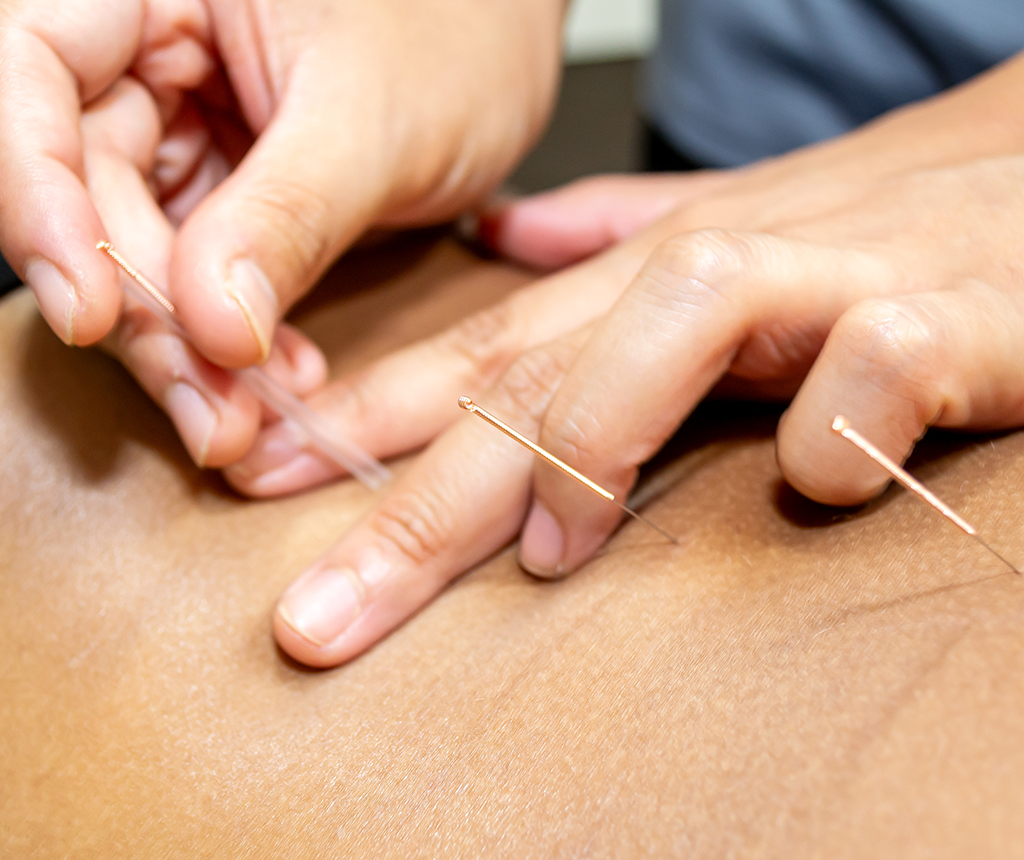
Dry needling targets tight muscles and trigger points using fine sterile needles.
Benefits may include:
- Reduced muscle tension
- Improved blood flow
- Pain relief
- Improved movement
Dry needling is commonly used to assist muscle recovery and improve flexibility.
Manual Therapy
Manual therapy involves hands-on physiotherapy techniques used to:
- Improve joint mobility
- Reduce stiffness
- Relieve muscle tension
- Improve movement quality
Combined with exercise rehabilitation, manual therapy can help support overall recovery.
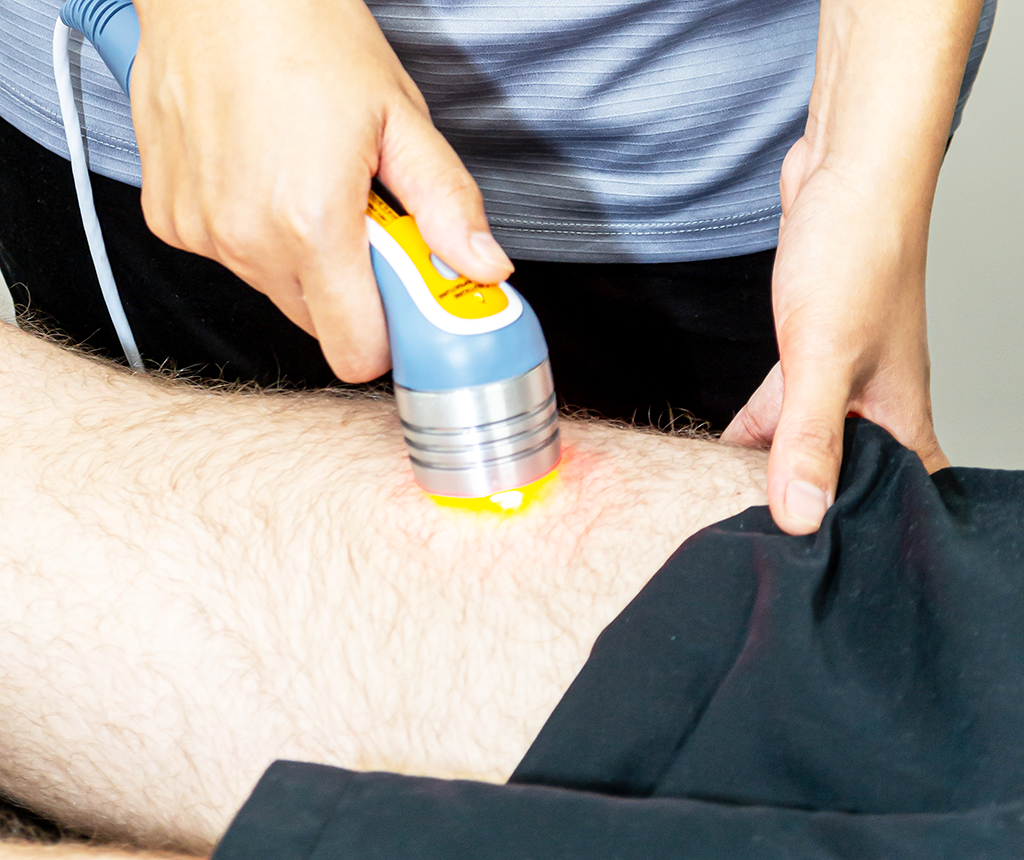
Laser Therapy and Therapeutic Ultrasound
Laser therapy and therapeutic ultrasound may assist with:
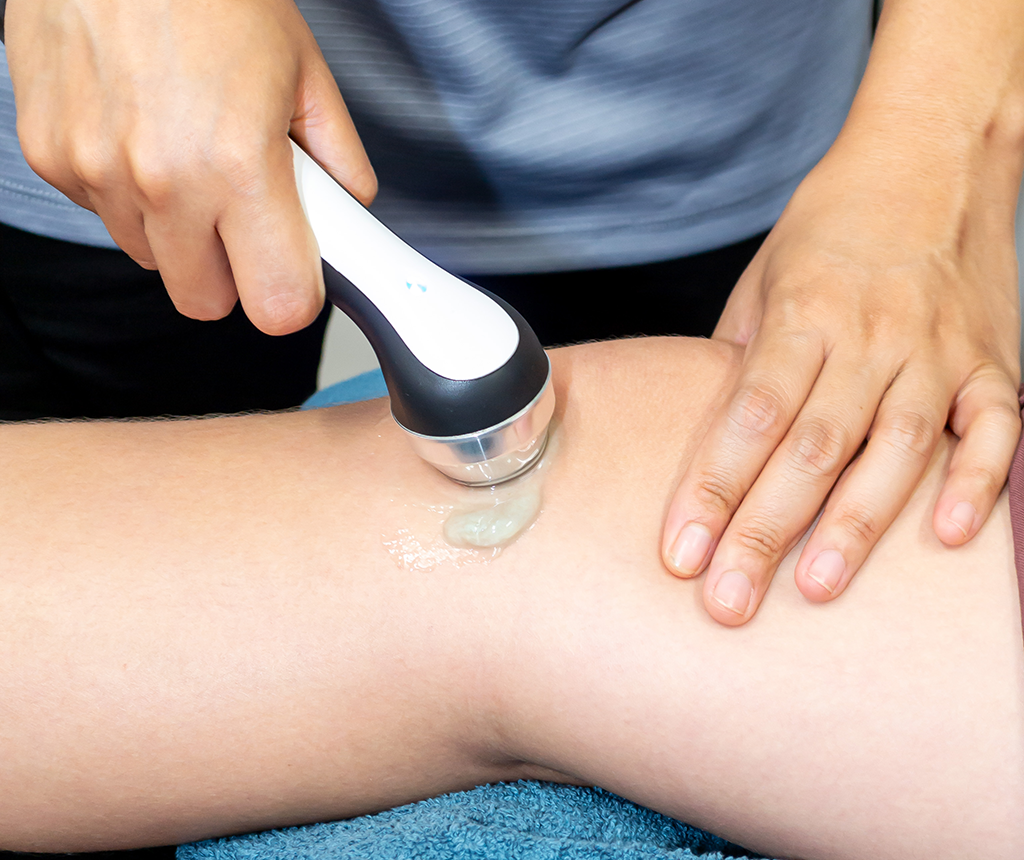
- Tissue healing
- Pain management
- Reducing inflammation
- Improving circulation
These treatments are often incorporated into broader rehabilitation programs for sports injuries.
Common Sports Injuries That Benefit from Physiotherapy
Physiotherapy may help manage a wide range of sporting injuries, including:
- Ankle sprains
- Hamstring strains
- Knee injuries
- Rotator cuff injuries
- Tennis elbow
- Shin splints
- Lower back pain
- Hip and groin injuries
- Tendon injuries
- Muscle tightness
Early physiotherapy treatment can improve recovery outcomes and help prevent long-term complications.
How On Hill Services Supports Sports Injury Recovery
At On Hill Services, we provide personalised sports physiotherapy programs designed to support safe and effective recovery for athletes and active individuals throughout Kalgoorlie-Boulder.
Our services include:
- Sports physiotherapy
- Exercise-based rehabilitation
- Shockwave therapy
- Dry needling
- Manual therapy
- Laser therapy
- Therapeutic ultrasound
- Hydrotherapy
- Workplace injury rehabilitation
- Pre- and post-surgery rehabilitation
We focus on treating the root cause of injuries while helping patients improve movement, strength, and long-term physical health.
Final Thoughts
Recovering from a sports injury takes time, consistency, and the right treatment approach.
The best ways to recover faster include:
- Seeking treatment early
- Resting appropriately
- Following a structured rehabilitation plan
- Rebuilding strength and mobility
- Prioritising recovery and sleep
- Returning to sport gradually
With professional physiotherapy support, you can reduce recovery time, prevent future injuries, and return to the activities you enjoy with greater confidence.
At On Hill Services, we are committed to helping the Kalgoorlie-Boulder community recover safely, stay active, and perform at their best.
Book Your Physiotherapy Appointment Today
If you are recovering from a sports injury and looking for expert physiotherapy care in Kalgoorlie-Boulder, the team at On Hill Services is here to help.
Our personalised rehabilitation programs are designed to support faster recovery, improve movement, and help you safely return to sport and daily activities.